As winter approaches, it's essential to ensure your home is prepared for unexpected emergencies. You might think about basic supplies, but have you considered everything you really need? Stocking up on non-perishable food and adequate water is just the start. Let's explore the critical items that can keep you safe and comfortable during the colder months, especially when the weather takes a turn for the worse.
Non-Perishable Food Supplies
When winter storms hit, having at least a week's worth of non-perishable food supplies can make all the difference. Stock your pantry with items like canned vegetables, beans, and soups.
Don't forget about pasta, rice, and oatmeal; these staples are filling and easy to prepare. You might also want to include canned fruits for a touch of sweetness, along with some nut butter for protein.
Snacks like granola bars or dried fruit can help keep your energy up during long days indoors. Remember to check expiration dates regularly and rotate your stock.
Water and Hydration Essentials
After stocking up on non-perishable food, it's time to think about water and hydration. You should aim for at least one gallon of water per person, per day. This covers drinking, cooking, and sanitation needs.
Store water in clean, food-grade containers, and consider purchasing bottled water as a backup. If you're using tap water, remember to rotate your supplies every six months to keep it fresh.
Don't forget about hydration for pets; include extra water for them too. You might also want to invest in water purification tablets or filters in case your supply runs low.
Staying hydrated is crucial during winter emergencies, so make sure you're prepared to keep everyone, including your furry friends, well-hydrated.
Heating and Warmth Solutions
As temperatures plummet during winter emergencies, having reliable heating and warmth solutions becomes essential for your safety and comfort.
Start by ensuring your primary heating system is in good working order. Check the furnace, replace filters, and stock up on fuel for wood or propane heaters.
Consider investing in portable space heaters; they can provide extra warmth where needed. Don't forget extra blankets, sleeping bags, and thermal clothing to keep warm during outages.
You might also want to have a backup power source, like a generator, to keep essential heating running.
Lastly, practice safety with carbon monoxide detectors, especially if you're using alternative heating sources. Staying warm not only keeps you comfortable but also protects your health during harsh winter conditions.
First Aid and Emergency Kits
While winter storms can bring unexpected challenges, having a well-stocked first aid and emergency kit can make all the difference in keeping you and your loved ones safe.
Start by including essential items like adhesive bandages, antiseptic wipes, and gauze. Don't forget pain relievers, such as ibuprofen or acetaminophen, along with any prescription medications you or your family may need.
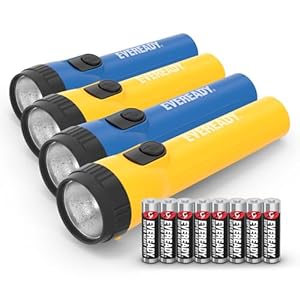
A pair of scissors, tweezers, and a thermometer are also crucial. Consider adding a flashlight with extra batteries and a whistle to signal for help.
Keep a blanket, non-perishable snacks, and bottled water in your kit too. Regularly check and replenish your supplies, ensuring everything remains in good condition.
Being prepared can provide peace of mind during winter emergencies.
Conclusion
In winter, being prepared can make all the difference. By stocking up on non-perishable foods, ensuring you have enough water, and investing in heating solutions, you'll stay safe and comfortable through the cold months. Don't forget to assemble a first aid kit and keep a flashlight handy for emergencies. Taking these simple steps now will give you peace of mind and help you face whatever winter throws your way. Stay warm and stay safe!
Trending Products